


Taro Milk Tea Complete Guide 2026: Taste, Ingredients and Facts
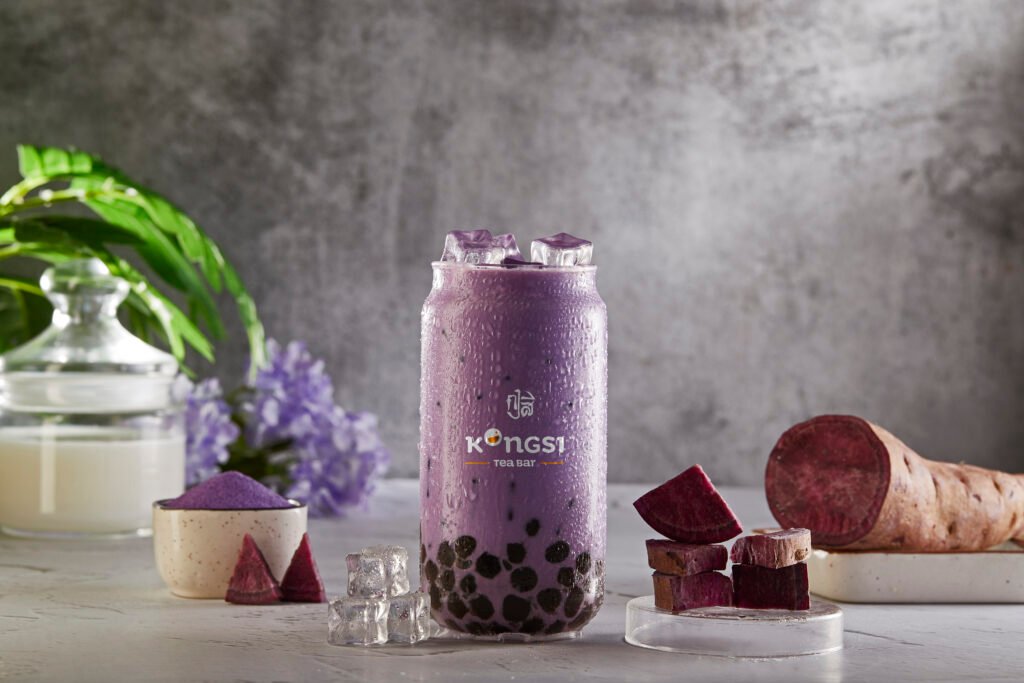
Bubble tea – also known as boba tea – has taken the world by storm. Among its many flavours, one drink stands out for its unique purple hue and creamy, nutty flavour – taro milk tea.
TL;DR: Taro milk tea, the iconic purple bubble tea flavour, combines real taro root, milk, and chewy tapioca pearls for a creamy, nutty, and subtly sweet taste that’s taken over social media in 2025. Loved for its pastel colour and comforting flavour, it’s both visually stunning and naturally nutritious, rich in fibre and antioxidants.
At Kongsi Tea Bar, India’s #1 authentic Thai bubble tea brand, every taro drink is brewed fresh using real tea leaves and imported Thai ingredients. Whether you’re a boba lover or an aspiring café entrepreneur, taro bubble tea is the flavour redefining global café culture.
For franchise enquiries, please reach out to us at franchise@kongsiteabar.in. You can also contact us directly at +91 6366225256 for more details or visit our franchise page – kongsiteabar.in/franchise
Franchise Enquiry
In this guide, you’ll learn –
- What taro milk tea is and what it’s made of
- How does taro taste compared to other bubble tea flavors
- Its calories, benefits, and nutrition facts
- Step-by-step taro milk tea recipes you can try at home
- Why Kongsi Tea Bar serves the most authentic taro boba tea in India
By the end, you’ll understand why taro isn’t just a trend – it’s a cultural favourite with staying power.
What Is Taro Milk Tea?

Taro bubble tea is a popular type of bubble tea made with taro root, milk (or plant-based milk), sweetener, and chewy tapioca pearls. Taro root, a starchy tuber native to Southeast Asia, is what gives the drink its signature pastel purple colour and subtly nutty, vanilla-like taste.
Unlike other bubble tea flavours that rely on syrups or artificial powders, authentic taro bubble tea can be prepared using real steamed taro or high-quality taro powder, blended with tea and milk for a smooth, creamy drink. This makes it not only visually striking but also naturally satisfying in flavour.
Today, taro bubble tea is one of the most loved boba tea flavours worldwide, thanks to its Instagram-worthy look and comforting taste. From traditional cafés in Asia to trendy outlets like Kongsi Tea Bar in India, it has become a go-to order for both first-time bubble tea drinkers and seasoned boba lovers alike.
Also read – Why Starting a Bubble Tea Franchise Is a Smart Move?
What is taro in bubble tea?
Taro is a tropical root vegetable, similar to yams or potatoes, that is used in bubble tea for its purple colour and nutty, creamy taste. It is one of the most popular bubble tea flavours because it delivers both a unique flavour and an eye-catching pastel purple shade.
Many cafés, including Kongsi Tea Bar, use authentic taro to create a richer, more natural taste experience in their taro bubble tea.
Also read – Why Is Thai Bubble Tea More Than Just a Drink?
What is taro milk tea made of?
Taro milk tea is made of taro root (or taro powder), milk or plant-based milk, sweetener, tea base, and chewy tapioca pearls. Depending on the recipe, it can be customised with black tea, green tea, or even jasmine tea as the base.
This flexibility makes taro milk tea one of the most versatile and widely enjoyed boba tea options worldwide.
What does taro taste like?
Taro has a mildly sweet, nutty, and creamy flavour often compared to vanilla with hints of coconut. Its subtle sweetness makes it pair perfectly with milk, giving taro milk tea its signature smooth and dessert-like taste.
Because of this unique flavour, taro is often considered the best introduction for first-time bubble tea drinkers.
What is taro made of?
Taro root is made of complex carbohydrates, dietary fibre, potassium, and antioxidants, making it nutritious as well as flavorful.
These nutrients not only add a health benefit to taro milk tea but also make taro a staple in many Asian cuisines. Its natural starchiness gives the drink its thick, creamy texture that bubble tea lovers enjoy.
How Does Taro Milk Tea Taste?
If you’ve never tried it before, taro milk tea surprises most first-time drinkers. Unlike chocolate or fruit teas, taro is more earthy, nutty, and creamy. The texture is silky, especially when blended into a smoothie-like consistency. Its natural sweetness makes it versatile with both dairy and non-dairy milks.
Many bubble tea fans describe it as –
- “Vanilla with a nutty twist”
- “Creamy but not too heavy”
- “Comforting and unique”
Taro Milk Tea Ingredients
Traditional recipes for taro bubble tea include –
- Fresh taro root (steamed and mashed) or high-quality taro powder
- Taiwanese tea
- Milk or non-dairy alternatives (almond, oat, soy)
- Sugar or natural sweeteners
- Tapioca pearls (boba)
At Kongsi Tea Bar, authenticity matters. That’s why all beverages, including taro bubble tea, are brewed from real tea leaves imported from Thailand, not premixes or synthetic powders.
Taro Milk Tea Recipe (Step-by-Step)
Ingredients –
- 2 tbsp taro powder OR ½ cup cooked taro root
- 1 cup brewed black tea
- ½ cup milk (or oat milk for vegan)
- 2 tbsp sugar or honey
- ½ cup tapioca pearls (cooked)
- Ice cubes
Method –
- Cook tapioca pearls as per package instructions.
- Brew strong black tea, then chill.
- Blend tea, milk, sugar, and taro powder/root until smooth.
- Add tapioca pearls to a glass, pour taro mix, and top with ice.
- Serve with a wide boba straw.
Iced Taro Milk Tea
Swap hot tea with chilled brewed tea and add crushed ice. Perfect for summer refreshment.
Hot Taro Milk Tea
Brew hot tea, stir in taro and milk without ice. A cosy winter alternative.
Taro Milk Tea Calories & Nutrition
On average, a 16-oz (medium) cup of taro milk tea with tapioca pearls contains –
- Calories: 250–450 kcal
- Carbs: 60–70 g
- Sugar: 35–45 g
- Protein: 2–4 g
- Fat: 4–7 g
Factors affecting calories –
- Use of fresh taro vs powder
- Dairy vs plant-based milk
- Topping choices (pearls, cream cheese foam, jelly)
Difference Between Milk Tea and Taro Milk Tea?
| Feature | Milk Tea | Taro MilkTea |
|---|---|---|
| Base Flavor | Black or green tea blended with milk and sugar | Tea with taro root or taro powder plus milk |
| Taste Profile | Smooth, slightly bitter with creamy sweetness | Nutty, vanilla-like, dessert-style creamy flavour |
| Appearance | Brown or light beige | Pastel purple, eye-catching |
| Texture | Light and tea-forward | Thicker and more indulgent due to taro’s starchiness |
| Popularity | Traditional and widely consumed across Asia | Modern, trending flavour, popular worldwide |
Is Taro Milk Tea Healthy?
In moderation, taro milk tea can be a treat with some benefits –
- Taro root is rich in fibre, potassium, and antioxidants.
- Compared to sodas, it offers a more filling, satisfying option.
- With low-sugar or plant-based milk choices, it can fit into balanced diets.
Taro Milk Tea Benefits
- Rich in Antioxidants – Taro contains polyphenols that support cell health.
- Energy Boost – Complex carbs provide slow-release energy.
- Digestive Support – Fibre in taro aids digestion.
- Customizable – Can be made vegan, low-sugar, or dairy-free.
- Cultural Experience – Offers a taste of Asian tradition and authenticity.
Taro Milk Tea Variations
- Taro Smoothie – Blended with ice for a thicker texture
- Taro Latte – With steamed milk, no boba
- Taro with Coconut Milk – Creamier, dairy-free option
- Taro Matcha Latte – Fusion of taro and Japanese matcha
Why Taro Milk Tea Is Popular Worldwide?
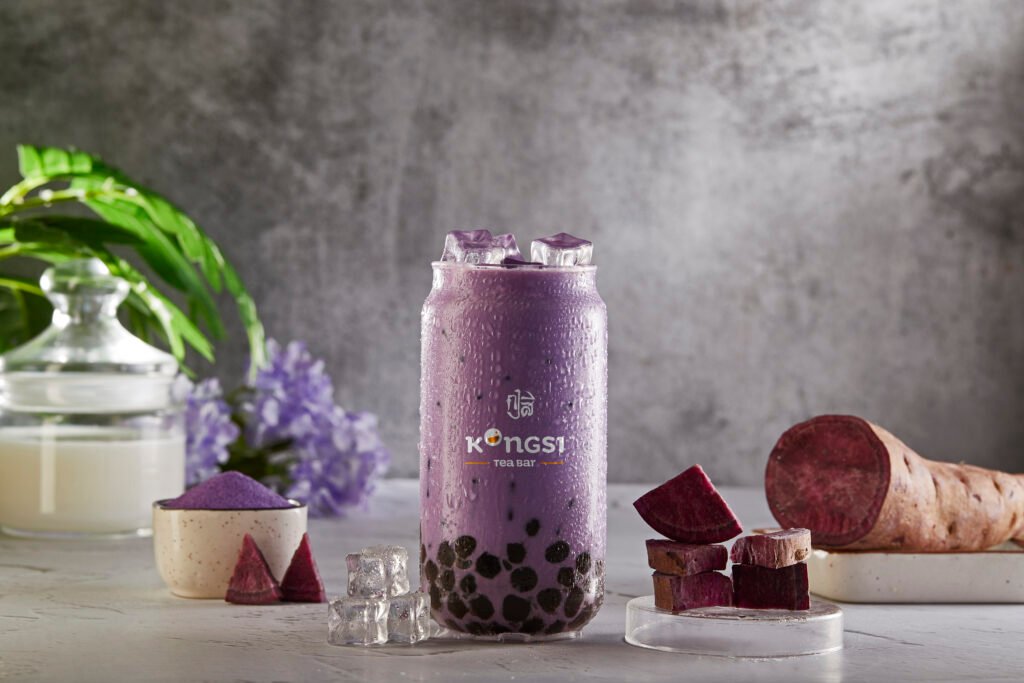
From Taiwan to Thailand, and now to India, taro bubble tea is beloved for its Instagram-worthy look and comforting taste. In India, the demand for bubble tea has surged, making taro a crowd favourite.
One of the biggest reasons for its global popularity is its unique flavour profile. Unlike fruity bubble teas that are sharp and refreshing, taro bubble tea offers a creamy, nutty sweetness that feels indulgent yet balanced.
Its pastel purple colour also makes it highly shareable on social media platforms like Instagram and TikTok, turning it into a lifestyle drink as much as a beverage.
Another factor is its versatility across cultures. Taro root has been used in Asian desserts and savoury dishes for centuries, so adding it to bubble tea felt natural. As the drink travelled worldwide, it adapted to local tastes with dairy-free options, sugar adjustments, and creative toppings.
Today, cafés like Kongsi Tea Bar in India serve taro bubble tea alongside matcha, Thai tea, and fruit blends, making it one of the most iconic and accessible boba flavours in the market.
Also read – Why Is Everyone Obsessed with Iced Matcha Latte?
Kongsi Tea Bar – India’s #1 Place for Authentic Taro Milk Tea
At Kongsi Tea Bar, we believe taro deserves respect. That’s why –
- We use premium ingredients imported from Thailand.
- All teas are brewed fresh (never premixed).
- Taro milk tea is paired with chewy tapioca pearls cooked fresh daily.
- Our outlets in Bangalore and Surat have already earned 2200+ 4.9 reviews, making us India’s most trusted Thai bubble tea brand.
Looking to taste authentic taro boba tea? Visit your nearest Kongsi Tea Bar or explore our menu online.
Thinking of Starting a Bubble Tea Business?

The popularity of taro bubble tea and bubble tea in general is driving India’s café culture boom. With an 8.4% CAGR, now is the time to consider a bubble tea franchise.
Kongsi Tea Bar offers –
- Founded – 2021, Phuket Old Town, Thailand
- Global Presence -120+ outlets in Thailand, a household name
- Franchise Global Presence – Out of 120+ outlets, 100 of these are franchise-owned outlets
- Mission – Bring Authentic Thai bubble tea flavours to India
- Franchise Cost – ₹25 lakhs
Recognised as India’s first multi-award-winning bubble tea franchise, with honours from ET Hospitality World, Restaurant Awards, and Food Connoisseurs India Awards.
- ET Hospitality World Restaurants & Nightlife Awards 2024 – Awarded “Cafe Chain of the Year – South” for innovation, consistency, and strong regional presence.
- Restaurant Awards 2024 – South India Edition (by Franchise India & Nestle Professional) – Won “Tea Cafe of the Year” for excellence in concept, growth, and customer delight.
- 7th Edition Food Connoisseurs India Awards – Recognised as the “Best Emerging Cafe Chain of the Year (Bengaluru)”, highlighting rapid growth and leadership in the cafe space.
Conclusion
Taro milk tea is more than a purple drink. It’s a fusion of tradition, flavour, and creativity that has captivated global audiences. From its nutty taste and nutritional benefits to its cultural appeal, taro bubble tea is here to stay.
Whether you’re a bubble tea fan looking for your next favourite order or an entrepreneur exploring a booming franchise, taro opens the door to something extraordinary.
Beyond just taste, taro bubble tea represents how global food trends can connect people across cultures. Its rise from Asian roots to worldwide fame shows the power of authenticity, innovation, and community. And with India’s bubble tea market growing rapidly, there has never been a better time to experience this iconic drink or even be part of the movement through a bubble tea franchise opportunity.
Try authentic taro milk tea at Kongsi Tea Bar today – where every sip is brewed fresh and crafted with care.
FAQs
Taro milk tea is made with taro root or quality taro powder, brewed tea, milk or plant based milk, a sweetener, and chewy tapioca pearls. Its pastel purple color and creamy texture make it a fan favorite.
Taro milk tea tastes mildly sweet, nutty, and creamy with hints of vanilla and coconut. It is smooth and dessert like, ideal for first time boba drinkers and regulars alike.
When enjoyed mindfully it can be a balanced treat. Taro root has fiber, potassium, and antioxidants. Choose plant based milk and lower sugar to make a lighter option.
The natural pigments in taro create the signature purple shade. When blended with milk the color becomes soft and creamy, which is why it looks great in photos.
Kongsi brews real tea leaves, uses imported Thai ingredients, and cooks tapioca pearls fresh daily. No premixes, consistent recipes, and quality control make its taro milk tea stand out.
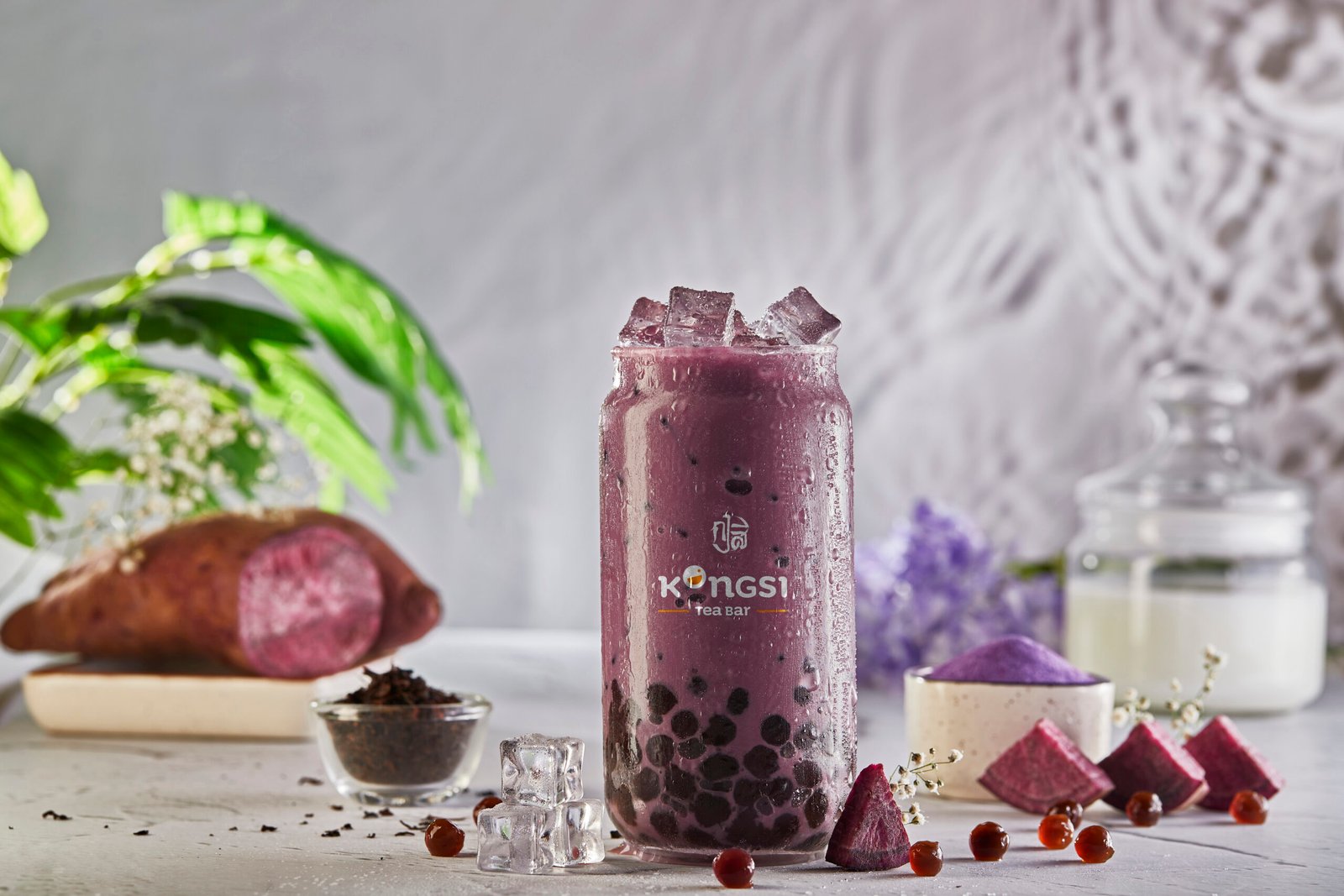
 Based on 5 Review(s)
3 Responses