


Why Kongsi Tea Bar Is India’s No.1 Thai Boba Tea Brand?
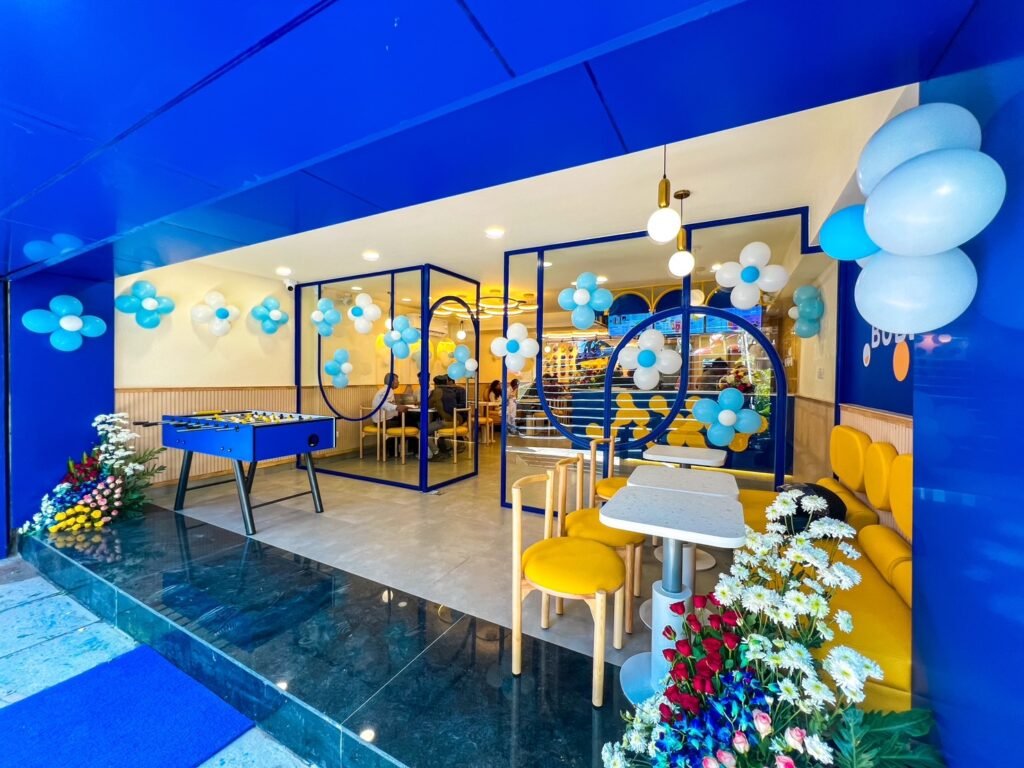
Across global cities, one beverage has moved from a quirky street drink to a modern lifestyle statement – bubble tea, or boba tea. What began in Taiwan has now become a thriving multi-billion-dollar segment from Bangkok to Bengaluru.
TL;DR: The boba tea business in India is booming, blending global flavour trends with strong profit potential. With setup costs between ₹20-30 lakhs and ROI in 15-18 months, it’s one of 2026’s top F&B opportunities. Kongsi Tea Bar, India’s No.1 authentic Thai bubble tea brand, leads this wave – offering proven systems, premium taste, and full franchise support for first-time entrepreneurs.
For aspiring entrepreneurs, the boba tea business is no longer a fad; it’s a structured, scalable opportunity blending novelty with repeat purchase power.
India’s café and QSR industry is witnessing a new category leader emerge. In this article, we will unpack how the boba tea business in India is growing, what a complete boba tea business plan should include, the real boba tea business cost, step-by-step guidance on how to start a boba tea business, and the success model that authentic Thai brands like Kongsi Tea Bar have brought to the country.
Franchise Enquiry
For franchise enquiries, please reach out to us at franchise@kongsiteabar.in. You can also contact us directly at +91 6366225256 for more details or visit our franchise page – kongsiteabar.in/franchise
Also read – Why Starting a Bubble Tea Franchise Is a Smart Move in 2025?
The Rise of the Boba Tea Business
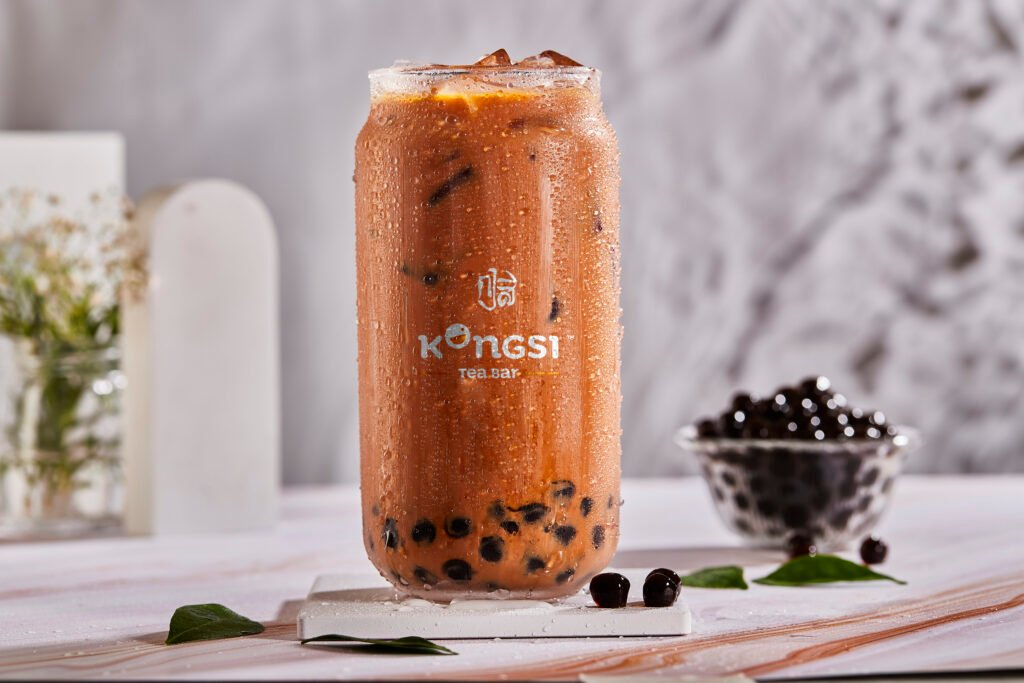
Bubble tea’s journey from East Asia to Western capitals and now Indian metros tells a story of consumer evolution. Over the last five years, the boba tea business has grown nearly 15 per cent annually across Southeast Asia. Young customers crave beverages that look good, taste unique, and can be personalised – traits that define this category.
Global to Local – Why Does It Work?
In markets like Singapore or Thailand, a successful boba tea business thrives on three pillars – ingredient authenticity, store experience, and digital storytelling. India mirrors that demand pattern today. Urban youth seek a refreshing break from coffee monotony; they want beverages that express individuality.
India’s Market Pulse
The Indian boba tea business was estimated at USD 450 million in 2024 and could cross USD 930 million by 2033. More than 60 per cent of customers fall between 16 and 34 years of age – a digitally native, experimentation-friendly group. Add the rise of food-delivery apps, and the opportunity multiplies – every sip is both a sale and a social post.
Also read – Why Is Thai Bubble Tea More Than Just a Drink?
Understanding the Boba Tea Business Model
A sustainable boba tea business runs on five core components: product, people, process, place, and promotion. The model sits midway between a café and a QSR – offering a dine-in experience with beverage-first economics.
Product Innovation
Tea bases, pearls, syrups, and toppings together define the customer experience. From brown-sugar milk tea to fruit-infused sparkling blends, menu variety is the heartbeat of every boba tea business. Maintaining consistency requires accurate recipes, brewing times, and portion control.
Operational Simplicity
Compared with large cafés, a boba tea business uses smaller spaces (350-800 sq ft), minimal cooking infrastructure, and limited staff – typically 4-6 people per shift. This lowers entry barriers and improves ROI.
Customer Experience
Ambience and service style transform a drink into a ritual. Lighting, music, and packaging aesthetics create “Instagram moments,” driving organic visibility. Repeat visits stem from both flavor consistency and staff warmth – elements vital for long-term profit.
Also read – Why Bubble Tea Is Set to Dominate Franchise Business in Bangalore in 2025?
How to Craft a Winning Boba Tea Business Plan?
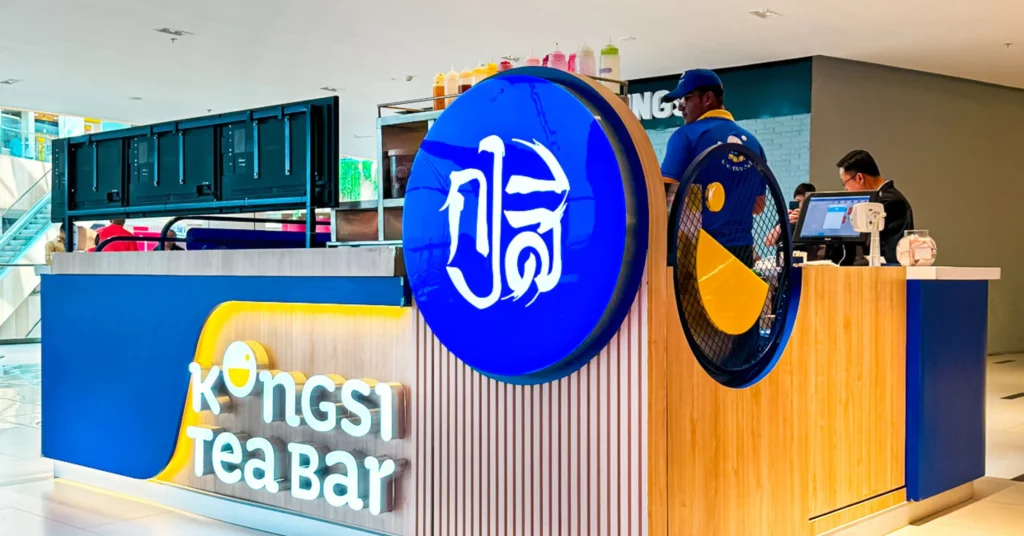
Before investing, entrepreneurs must draft a clear, research-backed boba tea business plan. It should define market, positioning, financials, and growth roadmap.
Market Assessment
Map existing players – international chains, local kiosks, and regional cafés. Identify gaps in authenticity, service, or menu. The Indian customer values originality; that’s why authentic Thai or Taiwanese origins gain immediate trust.
Target Segment and Pricing
The sweet spot lies between premium perception and student affordability. Most successful outlets price beverages between ₹150 and ₹300, creating an “affordable luxury.” Position your boba tea business in India as aspirational yet accessible.
Financial Modelling
Include total project cost, revenue forecast, cash-flow projection, and payback period. The model should account for ingredient imports, local sourcing, wages, rent, and marketing. A sound plan attracts lenders or franchise partners.
Also read – Why Kongsi Tea Bar Is #1 Café Franchise in India Today?
Investment and Cost Structure
Understanding the boba tea business cost is crucial. Entrepreneurs often underestimate hidden expenses.
Initial Setup Costs
A mid-sized outlet requires ₹20 – ₹30 lakhs depending on city and format. This includes interiors, brewing equipment, refrigeration, signage, packaging inventory, and licenses.
Operating Expenses
Monthly outflow covers rent, utilities, salaries, raw materials, delivery commissions, and marketing. Typically, recurring expenses take 60-70 percent of revenue in early months, declining as volume stabilizes.
ROI and Break-Even
With consistent sales of 150-200 cups per day, payback can arrive within 15-18 months. Careful menu engineering and portion control lift boba tea business profit margins toward 20 per cent after maturity.
Also read – How to Starta Bubble Tea Business in India in 2026?
How to Start a Boba Tea Business?
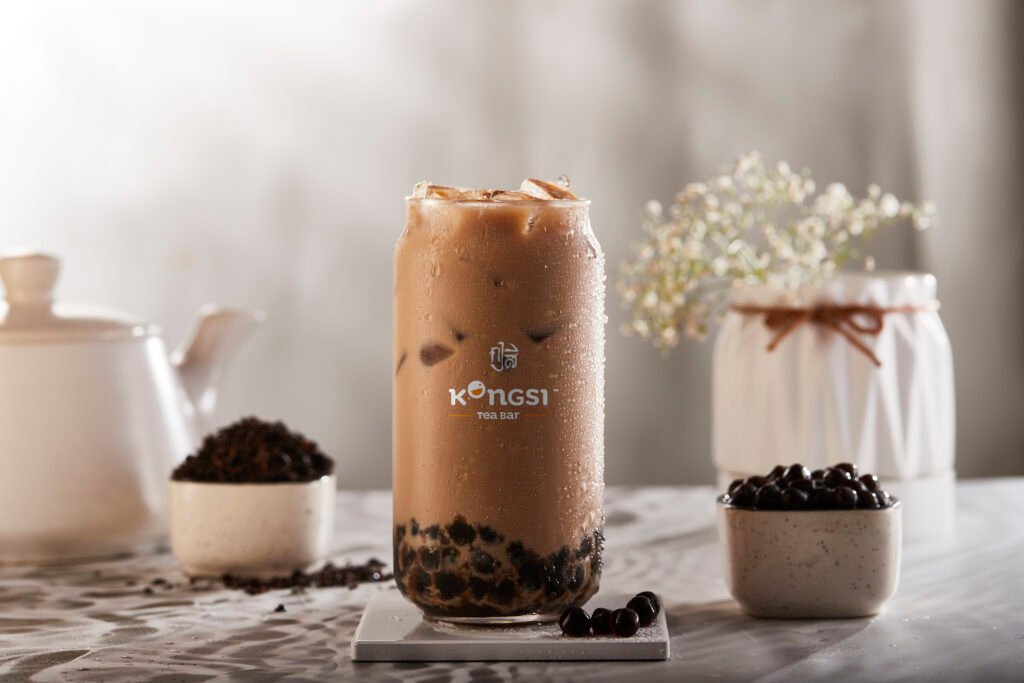
The pathway to success is methodical. These are the essential steps to starting a boba tea business – from concept to launch.
Research and Concept Finalisation
Study beverage trends, local palates, and price sensitivity. Define your differentiator – authentic origin, visual branding, or menu variety.
Location and Licensing
High-footfall areas like malls, college zones, and tech parks are ideal. Secure FSSAI license, GST registration, and local trade permits before construction.
Design and Procurement
Invest in functional yet aesthetic interiors. Equipment must support volume and consistency – tea brewers, sealers, coolers, and POS systems.
Hiring and Training
Service quality depends on training. Employees must learn brewing standards, hygiene, and customer interaction. A standard SOP ensures uniform taste across outlets.
Marketing and Launch
Plan pre-launch teasers, influencer collaborations, and opening offers. Soft-launch first, collect feedback, and refine recipes before official rollout.
Executing these starting a boba tea business step by step actions ensures smoother operations and faster growth.
Also read – Why Boba Tea Franchise Is India’s #1 Fastest Growing F&B Trend?
Kongsi Tea Bar – Authentic Thai Bubble Tea Brand

Amid dozens of new entrants, one brand has transformed the perception of premium Thai tea in India. Kongsi Tea Bar embodies what the future of the boba tea business in India should look like: authentic, consistent, and profitable.
Founded in 2021 in Phuket Old Town, Thailand, Kongsi Tea Bar grew to 120 + outlets nationwide, 100 of them franchise-owned. Its mission is clear – bring authentic Thai bubble tea flavors to Indian audiences without compromising on quality. Every key ingredient – from tea leaves to flavour bases – is sourced directly from Thailand, ensuring each cup tastes true to its roots.
Why Kongsi Leads?
- Authentic Supply Chain: Thai imports guarantee consistency across outlets.
- Menu Depth: 65 + beverage options, including vegan and non-caffeinated variants.
- Investment Edge: Franchise cost of ₹25 lakhs is among the lowest in its class.
- Recognition: Awarded “Cafe Chain of the Year – South” by ET Hospitality World and “Tea Cafe of the Year” by Franchise India 2024.
The Business Advantage
For entrepreneurs, partnering with Kongsi means entering a tested model with structured support – store setup, training, marketing, and ongoing R&D. Its founders, Deepak and Neelima Pulipati, aim to expand from 10 + Indian outlets to 120 + by next fiscal year, making it the country’s most recognised Thai boba brand.
Kongsi Tea Bar proves that authenticity and profitability aren’t mutually exclusive. Their rapid franchise growth demonstrates how a well-built boba tea business plan in India can scale nationwide with the right operational framework.
Also read – How to Start India’s #1 Food and Beverage Franchise?
Economics Behind the Counter
A boba tea business thrives on smart math – balancing volume, pricing, and waste control.
Revenue Drivers
Higher daily cups sold spread fixed costs, toppings and combos raise order values, and loyalty programs ensure repeat visits. Smart data tracking of peak hours and seasonal preferences further refines profitability.
Expense Optimization
Bulk procurement of ingredients, efficient energy use, and digital inventory reduce COGS. Regular training minimises spoilage and errors. A mature outlet typically achieves a 12-18 per cent EBITDA margin within two years.
Scalability and Multi-Unit Ownership
The beauty of a standardised boba tea business lies in replicability. Franchise owners can add new locations using the same supply chain and training modules, multiplying returns without restarting from zero.
Also read – Best Franchise Business in India Everyone’s Talking About in 2025
Brand and Marketing Dynamics
Digital Storytelling
Visual aesthetics are core to bubble tea’s viral power. Short videos of pearls bubbling, toppings layering, and first-slip reactions create free marketing. Consistent branding colours and copy style strengthen recall across social platforms.
Community Building
Events like student discount days, DIY boba workshops, and local artist collabs turn a shop into a hangout spot. These initiatives generate authentic word-of-mouth – a low-cost promotion channel that sustains the boba tea business.
Delivery and Aggregator Strategy
Listing optimisation, professional photography, and time-bound offers improve ranking on delivery platforms. This hybrid of online and offline traffic stabilises revenue flow and buffers seasonal variations.
Growth Outlook for 2025 and Beyond
The Indian boba tea business is entering its acceleration phase. Rising health awareness and the shift from carbonated drinks towards brew-based refreshments will broaden its base.
Emerging Trends
Fusion flavours like matcha-mango or rose-oolong, low-sugar options, biodegradable packaging, and plant-based milks are the next phase of growth. The trend shows that the boba tea business can evolve with the wellness movement rather than compete with it.
Franchise Momentum
Franchising will remain the dominant growth engine. Brands offering comprehensive support, like Kongsi Tea Bar, allow first-time entrepreneurs to join the sector with lower risk. As these networks expand, standardisation will define industry trust.
Challenges to Watch
High rents, ingredient inflation, and competition could pressure margins. Operators must focus on menu innovation, quality control, and digital loyalty systems to sustain growth.
Also read – Why Peach Bubble Tea Will Dominate India in 2025?
How to Build a Lasting Boba Tea Brand?
Succeeding in the boba tea business requires balancing trend appeal with operational discipline. The formula is simple but non-negotiable –
Authentic Product DNA – Consumers pay for credibility. Brands with proven origin stories, like Kongsi Tea Bar, earn loyalty.
Process Consistency – Taste and speed should remain identical across outlets.
Continuous Learning – Analyse feedback, adapt flavours, and innovate formats.
Community Focus – Transform customers into advocates through experiences.
With the right strategy and execution, India can witness homegrown and international names co-creating a vibrant ecosystem. The segment’s potential goes beyond profit – it represents a cultural shift towards modern tea drinking.
Also read – How Pink Bubble Tea Became 2025’s Biggest Beverage Craze?
Conclusion
The boba wave is not fleeting; it is a structured consumer movement. Starting a boba tea business today offers an entry into one of the fastest-growing segments of India’s food and beverage industry. With a robust boba tea business plan, clarity on boba tea business cost, and a trusted partner brand, entrepreneurs can achieve sustainable returns.
In this landscape, Kongsi Tea Bar stands as the benchmark for authentic Thai craftsmanship and scalable systems. Its combination of heritage, menu innovation, and franchise support demonstrates how a well-structured model can turn passion for tea into a profitable business.
For those ready to begin, the opportunity is brewing now. Understand your market, embrace authenticity, and build with discipline. The next great success story of India’s boba tea business could start with your first brew.
FAQs
Starting a boba tea business in India typically costs between ₹20 and ₹30 lakhs, depending on city, store size, and format. This covers interiors, licenses, equipment, and stock. Partnering with a trusted brand like Kongsi Tea Bar reduces setup risk and ensures faster ROI within 15 to 18 months.
Yes, the boba tea business in India is profitable with average margins of 15 to 20 percent after maturity. Outlets selling 150 to 200 cups daily usually recover investment within 15 to 18 months. Rising demand among Gen Z and millennials ensures steady repeat sales and long term sustainability.
Kongsi Tea Bar sources authentic Thai ingredients, brews tea fresh daily, and operates on a proven franchise model. It blends affordability with premium design and consistent flavor, making it India’s fastest growing authentic Thai bubble tea brand recognized by national hospitality and café industry awards.
Key steps include researching market trends, finalizing your concept, choosing a high footfall location, completing licenses, setting up design and equipment, hiring and training staff, and launching with influencer marketing. Kongsi Tea Bar guides franchise partners through every phase with structured operational support.
India’s bubble tea market is set to double by 2033, with surging demand for customizable and healthier drinks. As coffee markets saturate, bubble tea offers fresh appeal and high ROI potential. Investing in 2026 helps entrepreneurs enter early into India’s fastest growing F&B category.

5 Responses