


Why the World Can’t Stop Sipping on Pink Bubble Tea in 2026?
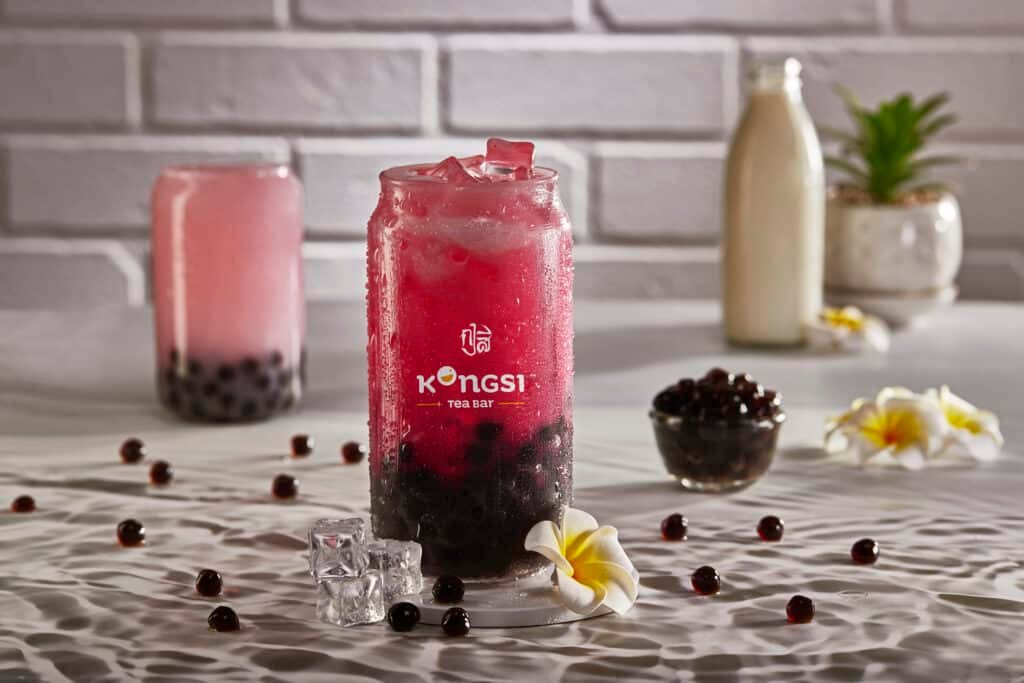
Some beverages refresh, and then some inspire – pink bubble tea belongs to the latter. Over the past few years, this stunning drink has become one of the most photographed and beloved beverages across the world. Its blush-toned appearance, creamy texture, and playful pearls make it a visual and sensory delight. But beyond its good looks lies an evolving story of innovation, culture, and craftsmanship.
TL;DR: Pink bubble tea has become 2025’s biggest beverage craze, loved for its pastel colour, creamy texture, and fruity freshness. Made with natural ingredients like strawberry, rose, or dragon fruit, it blends beauty with indulgence. At Kongsi Tea Bar, each bubble tea is brewed fresh with real Thai tea leaves, imported ingredients, and handmade pearls- no premixes or artificial flavours- making it India’s most authentic and Instagram-worthy boba experience for the new café generation.
Franchise Enquiry
In this article, we will explore the journey of pink bubble tea – from its ingredients and flavours to its artistic appeal and cultural significance. You’ll also learn what makes pink bubble tea stand out, how it’s made, and how cafés like Kongsi Tea Bar are leading this trend in India with authenticity and style.
Also read – How to Start India’s #1 Food and Beverage Franchise?
Understanding What Pink Bubble Tea Really Is?
What Is Bubble Tea?
Before diving into the pink variant, it’s essential to understand the foundation – bubble tea. Originating in Taiwan during the 1980s, bubble tea, also known as boba tea, blends tea with milk or fruit, sugar, and chewy tapioca pearls. Over the decades, it has evolved into countless variations, each reflecting a local twist or modern innovation.
At its core, bubble tea is a balance of texture and flavour – a harmonious interplay of creamy, sweet, and chewy sensations that engage every sense. Today, its popularity has transcended cultures and borders, making it one of the fastest-growing beverage categories worldwide.
Also read – Why Boba Tea Franchise Is India’s #1 Fastest Growing F&B Trend?
The Birth of Pink Bubble Tea
Pink bubble tea first emerged as a creative adaptation of traditional milk teas and fruit teas. It became popular not only for its taste but also for its aesthetic appeal. In the age of Instagram and visual culture, the soft pink hue symbolised joy, playfulness, and modern femininity – instantly making it a trend among younger consumers.
The colour pink in beverages often comes from natural ingredients such as strawberries, dragon fruit, rose petals, or beetroot. These elements not only lend a vibrant tone but also introduce subtle flavour notes – floral, fruity, and slightly tangy – making the drink light yet flavorful.
The blend of creamy milk base, sweet fruit extracts, and the chewy pearls creates an experience that’s both comforting and exciting. For many, bubble tea has become more than a drink – it’s a symbol of indulgence and creativity.
Also read – What Makes Taiwanese Bubble Tea World’s #1 Addictive Drink?
The Aesthetic Pink Bubble Tea Experience
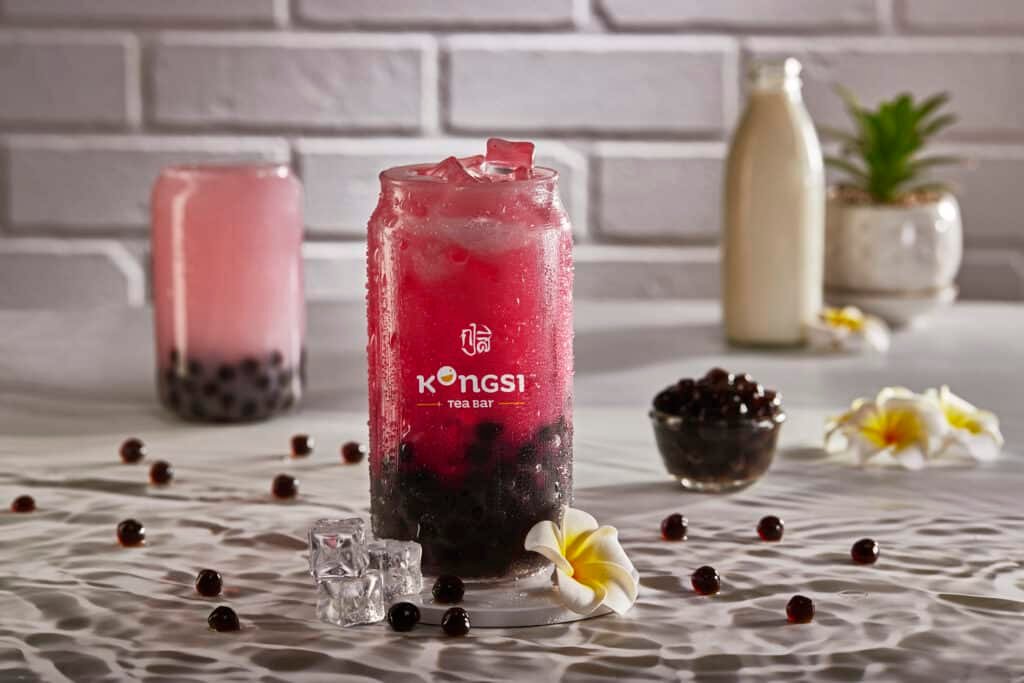
The pink bubble tea aesthetic represents more than colour; it’s a mood. Every element – from the glass shape to the layering of milk and syrup – contributes to its visual harmony. In contemporary cafés, it has evolved into a statement beverage that embodies modern design and emotional connection.
An aesthetic pink bubble tea captures the perfect balance between natural beauty and craft. The soft gradients of pink, often fading into white milk or cream, mirror the calmness of dawn skies. Its presentation – adorned with tapioca pearls or fruity toppings – makes it a popular choice for photos, social media, and lifestyle storytelling.
Cafés like Kongsi Tea Bar Bangalore and Kongsi Tea Bar Surat have mastered this presentation by emphasising both authenticity and artistry. Their drinks are prepared with premium Thai tea bases and imported ingredients that retain the traditional integrity of bubble tea while delivering the freshness and vibrance modern audiences love.
Also read – How to Start a Bubble Tea Business in India in 2026?
Popular Pink Bubble Tea Flavours Around the World
The charm of pink bubble tea flavours lies in their diversity. Depending on the ingredients used, the taste can range from creamy to fruity, floral to subtly tart. Some of the most popular variations include –
1. Strawberry Milk Tea
Made from real strawberries and milk, this variant delivers a perfect balance of sweetness and creaminess. It’s among the most beloved bubble tea flavours globally.
2. Rose Bubble Tea
Infused with rose syrup or rose milk, this version offers a soothing floral fragrance and elegant presentation, ideal for those who prefer a delicate taste.
3. Dragon Fruit Bubble Tea
Vividly colored yet naturally mild in flavour, dragon fruit bubble tea adds tropical notes and nutritional value to the drink.
4. Lychee and Raspberry Blend
A creative mix that combines tangy and sweet elements, offering a refreshing twist to traditional milk teas.
5. Beetroot Latte Bubble Tea
A modern health-oriented version, this uses beetroot juice for its deep pink hue and earthy flavour profile.
Each variation tells a unique story, and together they define the personality of pink bubble tea – dynamic, experimental, and inclusive.
Also read – Why Kongsi Tea Bar Is #1 Café Franchise in India Today?
How to Make Bubble Tea – The Pink Way?
Learning how to make bubble tea in its pink form requires precision, quality ingredients, and a little artistic flair. Here’s a general framework of how it’s done at authentic establishments such as Kongsi Tea Bar –
Step 1: Brewing the Base
Start with freshly brewed tea – black, green, or jasmine tea, depending on the desired flavour intensity. The tea should be steeped at the right temperature to retain its aroma without bitterness.
Step 2: Preparing the Pearls
The signature tapioca pearls are boiled to perfection until soft and chewy. At Kongsi Tea Bar, pearls are cooked in-house daily to maintain consistency and freshness.
Step 3: Mixing the Flavour Base
To achieve the pink hue, mix natural extracts such as strawberry, rose, or dragon fruit with milk or plant-based alternatives. The choice of base (dairy, oat, or almond milk) influences both texture and taste.
Step 4: Assembling the Drink
Layer the tea, flavour mixture, and pearls carefully. The signature swirl that forms when milk meets fruit syrup creates the drink’s signature look – the aesthetic pink bubble tea that captivates customers instantly.
Step 5: Serve and Sip
Add ice cubes, seal the cup, and serve chilled. The first sip combines creaminess, chewiness, and fragrance – the hallmark of a well-made pink bubble tea.
Also read – The Only Viral Bubble Tea Recipe You’ll Ever Need in 2025
Why Pink Bubble Tea Became a Global Sensation?
The rise of pink bubble tea can be attributed to three key cultural forces –
- Visual Culture –
The rise of visual-first platforms like Instagram and TikTok turned beverages into design objects. Pink bubble tea, with its pastel tones, became an aesthetic icon of joy and creativity. - Health and Personalisation –
Consumers today value freshness, natural ingredients, and custom options. The ability to choose sugar levels, toppings, and milk alternatives makes bubble tea highly adaptable. - Emotional Connection –
Pink symbolises happiness, optimism, and comfort – emotions people seek in daily indulgences. A cup of pink bubble tea feels like a personal treat, not just a beverage.
These factors together transformed bubble tea into both a lifestyle product and a symbol of self-expression.
Also read – Why Is Thai Bubble Tea More Than Just a Drink?
The Role of Kongsi Tea Bar in India’s Pink Bubble Tea Movement
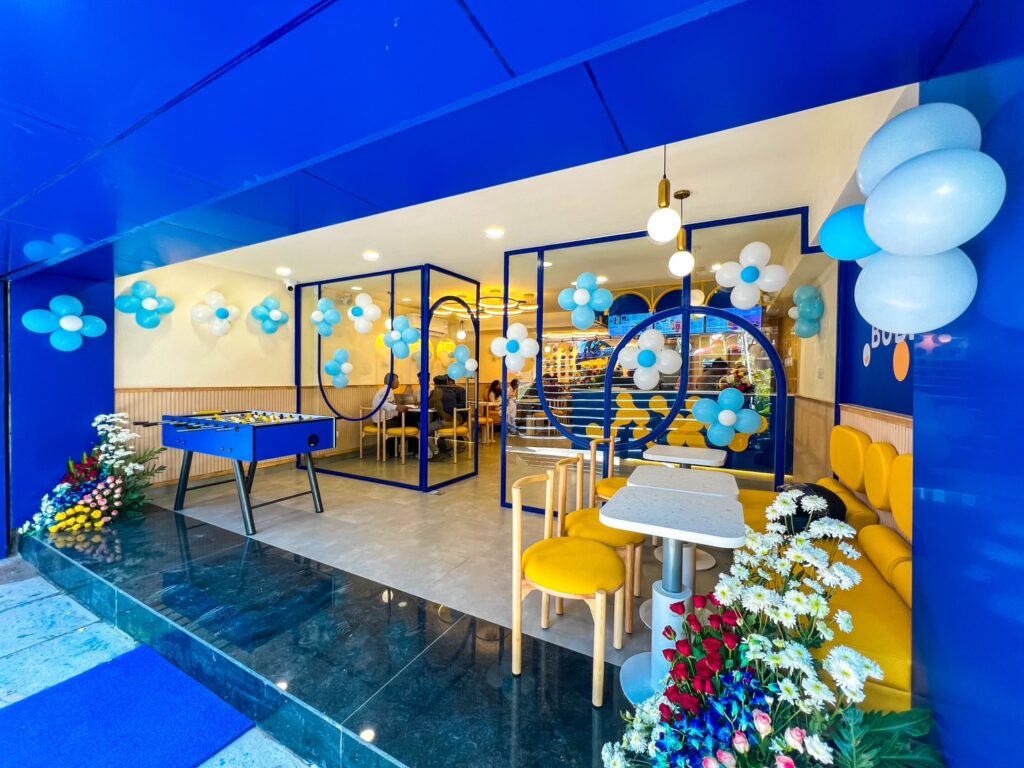
While pink bubble tea gained global recognition, its entry into the Indian market was led by authentic brands like Kongsi Tea Bar. Originating in Phuket, Thailand, in 2021, Kongsi Tea Bar quickly became synonymous with authenticity, quality, and innovation in the bubble tea space.
With 120+ outlets across Thailand and rapid growth in India, including Kongsi Tea Bar Bangalore and Kongsi Tea Bar Surat, the brand has built a loyal customer base that appreciates both flavour and experience.
The Kongsi Tea Bar menu features more than 65+ beverages – each freshly brewed, free from premixes, and enriched with ingredients sourced directly from Thailand.
In India, where beverage culture is evolving rapidly, Kongsi Tea Bar bridges the gap between global trends and local preferences. Their pink bubble tea offerings, crafted from imported teas and fruit essences, represent the next wave of premium café experiences in the country.
Also read – Why Starting a Bubble Tea Franchise Is a Smart Move in 2025?
Modern Innovations in Pink Bubble Tea
Innovation in pink bubble tea goes beyond ingredients. Global cafés are experimenting with new textures, sustainable packaging, and interactive experiences. Some trends include –
- Jelly and Fruit Layers: Enhancing texture beyond tapioca.
- Cold Foam Toppings: Creamy finishes similar to coffee culture.
- Vegan Bases: Using oat or almond milk for lighter variants.
- Limited Edition Colours: Combining pink with lavender or gold for seasonal aesthetics.
Kongsi Tea Bar’s research-driven approach ensures these trends translate authentically into their menu. Their team experiments with flavour pairing and presentation techniques that maintain balance between Thai tradition and modern aesthetics.
The Cultural Symbolism of Pink Bubble Tea
Pink bubble tea is not just about taste – it reflects changing social values. The global shift toward inclusivity, creativity, and sustainability is mirrored in how beverages are crafted and shared. Pink, once considered a niche feminine colour, has become a universal symbol of joy and positivity.
The drink appeals across demographics: to students seeking comfort, young professionals seeking relaxation, and families exploring new culinary experiences. It bridges generational tastes and reflects the modern café’s ethos – community, creativity, and calm.
Also read – The #1 Secret Behind Korean Noodles You Didn’t Know About
How Pink Bubble Tea Encourages Sustainable Choices?
The growing awareness around sustainability is influencing how cafés operate. Many brands are now focusing on eco-friendly cups, reusable straws, and locally sourced ingredients. The pink bubble tea movement complements this by encouraging mindful consumption – a slower, more conscious approach to enjoying everyday luxuries.
At Kongsi Tea Bar, sustainability begins with authenticity. By importing only essential ingredients and brewing every cup fresh, the brand minimises waste while maintaining consistency. This balance of responsibility and innovation represents the future of modern cafés.
Also read – Taro Milk Tea – How This Purple Drink Took Over Social Media in 2025?
Why Is Pink Bubble Tea Here to Stay?
Trends come and go, but experiences built on authenticity endure. Pink bubble tea thrives because it adapts – embracing cultural shifts while preserving craftsmanship. Its combination of natural flavours, emotional appeal, and artistic presentation gives it enduring relevance.
In 2025 and beyond, as the global beverage industry continues to evolve, pink bubble tea will remain a symbol of balance – between art and science, comfort and innovation, simplicity and sophistication.
Also read – Why Is Everyone Obsessed with Iced Matcha Latte in 2025?
Conclusion – The Future Is Pink and Brewed, Not Mixed
Pink bubble tea embodies everything modern consumers seek: authenticity, beauty, and emotion. It’s not just a beverage; it’s an art form that celebrates individuality and creativity. As the world embraces visually expressive food and drink culture, pink bubble tea stands as the perfect ambassador of this new aesthetic movement.
In India, Kongsi Tea Bar leads this transformation by blending Thai authenticity with Indian innovation. With every sip, it reminds us that great beverages are more than what they contain – they are stories, emotions, and experiences crafted with care.
If you haven’t yet tried pink bubble tea, now is the perfect time. Step into a Kongsi Tea Bar near you, explore their vibrant menu, and rediscover how flavour and beauty can coexist in one refreshing cup.
FAQs
Pink bubble tea is a vibrant twist on classic boba made with milk or fruit bases like strawberry, rose, or dragon fruit. Its soft pink color comes from natural ingredients, creating a creamy, refreshing drink with chewy tapioca pearls that is both visually stunning and delicious.
In 2026, pink bubble tea is a global café favorite for its pastel aesthetic, customizable flavors, and Instagram worthy appeal. It blends indulgence with mindfulness, offering natural fruit ingredients, low sugar options, and plant based milk which makes it both beautiful and guilt free.
Kongsi Tea Bar crafts every pink bubble tea with real Thai tea leaves, imported ingredients, and freshly cooked pearls with no premixes or synthetic syrups. Each drink is brewed fresh and layered artistically to capture authentic Thai flavor with modern café presentation.
Top pink bubble tea flavors include Strawberry Milk Tea, Rose Bubble Tea, Dragon Fruit Bubble Tea, Lychee Raspberry Blend, and Beetroot Latte Bubble Tea. Each variant offers a unique combination of sweetness, color, and aroma suited for different moods and preferences.
Yes. Brew tea, prepare tapioca pearls, and mix with strawberry or rose syrup and milk. Layer the drink to achieve its pink gradient, add ice, and serve chilled. Use oat or almond milk for a vegan friendly version with natural color and flavor.

2 Responses